
The Angel and the Little Scroll
Revelation 10 is certainly an interesting chapter to study, not only because of what it contains, but also because of what came before it.
Up to this point, John has been shown trumpet judgments that shake the earth, darken the skies, and bring humanity face to face with God’s authority. Now, before the seventh trumpet sounds, we see something new inserted. God offers a moment of explanation, reassurance, and recommissioning. Revelation 10 isn't about new judgments as much as it's about renewed confidence in God’s purposes and renewed responsibility for God’s servants.
This chapter reminds us that even in seasons of upheaval, confusion, or waiting, the Lord is still in control. His Word is still open. His plan is still moving forward. And His servants are still called to speak.
A Mighty Angel and an Open Book
"Then I saw another mighty angel coming down from heaven, wrapped in a cloud, with a rainbow over his head, and his face was like the sun, and his legs like pillars of fire. 2 He had a little scroll open in his hand. And he set his right foot on the sea, and his left foot on the land, 3 and called out with a loud voice, like a lion roaring. When he called out, the seven thunders sounded." (Revelation 10:1-3)
This angel is described in interesting terms. We're told he comes down from heaven, and doesn't rise from the earth. He's clothed with a cloud, crowned with a rainbow, radiant like the sun, and stable like pillars of fire. Every detail of his description points to divine authority and heavenly origin.
Some have suggested this angel is Christ Himself, but I think this being is best understood as a powerful created angel who reflects God’s glory rather than embodying it. Admittedly, the language here reminds us of some of the descriptions of God in the Old Testament, such as the cloud of His presence in Exodus 13:21, the rainbow of covenant faithfulness in Genesis 9:13, and the fiery pillars of judgment and guidance in Exodus 14:24. But it's my belief that while this angel bears God’s authority, it isn't God incarnate.
In his hand is “a little scroll open” (Rev. 10:2). That's an important detail to note. Earlier, in Revelation 5, the scroll was sealed and no one could open it except the Lamb. Now this smaller scroll is already open. God’s plan is no longer hidden. What He is about to do is revealed, declared, and ready to be announced.
The angel plants one foot on the sea and one on the land, symbolizing God's universal authority. Nothing lies outside of God’s jurisdiction. Oceans and continents, nations and individuals, visible and invisible realms all stand beneath His rule.
When the angel cries out, “seven thunders sounded” (Rev. 10:3). In Scripture, thunder often represents God’s voice. Psalm 29 repeats the phrase “the voice of the Lord” like rolling thunder. Job 37 speaks of God thundering wondrously with His voice. Here, the seven thunders speak, but their message is intentionally withheld.
The Silence of the Thunders
And when the seven thunders had sounded, I was about to write, but I heard a voice from heaven saying, “Seal up what the seven thunders have said, and do not write it down.” (Revelation 10:4)
John prepares to write down what the thunders said, but he hears a command from heaven. “Seal up what the seven thunders have said, and do not write it down” (Rev. 10:4).
Does that detail frustrate you when you read this passage? It certainly makes me curious. By nature, we want answers. We want full explanations. We want God to lay out every detail of the future in neat, understandable terms. Yet Scripture reminds us that God intentionally chooses not to reveal everything at once.
Deuteronomy 29:29 says, “The secret things belong to the Lord our God, but the things that are revealed belong to us and to our children forever, that we may do all the words of this law.” God reveals what we need to know, when He wants us to know it, but He doesn't reveal everything we want to know according to our own preferences and timetable.
This moment in Revelation 10 teaches us to practice humility. Even John, the apostle entrusted with the book of Revelation, wasn't permitted to record everything he heard. There are mysteries God reserves for Himself. That doesn’t mean He's distant or unkind. It means He's wise.
When we face unanswered questions, unfulfilled expectations, or unclear next steps, Revelation 10 reminds us that silence from heaven isn't absence from heaven. God is still speaking through what He has already revealed. Trust Him and trust His timing.
No More Delay (Revelation 10:5–7)
"And the angel whom I saw standing on the sea and on the land raised his right hand to heaven 6 and swore by him who lives forever and ever, who created heaven and what is in it, the earth and what is in it, and the sea and what is in it, that there would be no more delay, 7 but that in the days of the trumpet call to be sounded by the seventh angel, the mystery of God would be fulfilled, just as he announced to his servants the prophets." (Revelation 10:5-7)
The angel raises his hand and swears an oath “by him who lives forever and ever, who created heaven and what is in it, the earth and what is in it, and the sea and what is in it” (Rev. 10:6). This oath grounds the promise in God’s eternal nature and creative authority.
Then comes the declaration. “There would be no more delay, but that in the days of the trumpet call to be sounded by the seventh angel, the mystery of God would be fulfilled” (Rev. 10:6–7).
I believe this moment anticipates the final stages of the Tribulation period. God’s judgments aren't random acts of anger. They're purposeful steps toward the fulfillment of His redemptive plan. The “mystery of God” includes the completion of judgment, the vindication of His holiness, the restoration of Israel, and the preparation for Christ’s millennial reign.
Old Testament prophets spoke of this day. Daniel was told, “Go your way, Daniel, for the words are shut up and sealed until the time of the end” (Dan. 12:9). Habakkuk was assured, “If it seems slow, wait for it; it will surely come; it will not delay” (Hab. 2:3).
God’s timing is never rushed, and it’s never late. When He says there will be no more delay, He means that His plan is moving forward exactly as promised.
In a very helpful way, this truth speaks directly to the waiting seasons of our lives. Maybe you're in one of those seasons right now. If so, please remember that God doesn't forget His promises. He doesn't abandon His people. He doesn't lose control of world history or your personal story.
Eating the Book
Then the voice that I had heard from heaven spoke to me again, saying, “Go, take the scroll that is open in the hand of the angel who is standing on the sea and on the land.” 9 So I went to the angel and told him to give me the little scroll. And he said to me, “Take and eat it; it will make your stomach bitter, but in your mouth it will be sweet as honey.” 10 And I took the little scroll from the hand of the angel and ate it. It was sweet as honey in my mouth, but when I had eaten it my stomach was made bitter. (Revelation 10:8-10)
At this point, John is commanded to take the open scroll from the angel and eat it. “It will make your stomach bitter, but in your mouth it will be sweet as honey” (Rev. 10:9).
Have you ever had something to eat or drink that made your stomach feel bitter? If I drink orange juice on an empty stomach, the acidic nature will most likely cause me pain. At my daughter-in-law's insistence, I recently tried an energy drink. That was a regrettable choice. It tasted good, and it definitely gave me an energy boost, but my stomach wasn't too happy with my choice of beverage.
This imagery that John is using when he describes the taste of this scroll comes straight from the Old Testament. Ezekiel experienced something similar when God told him to eat a scroll filled with words of lamentation and judgment. Ezekiel said, “It was in my mouth as sweet as honey” (Ezek. 3:3). Psalm 19:10 declares that God’s words are “sweeter also than honey.”
God’s Word is sweet because it reveals truth, hope, and redemption. It points us to Jesus, the Lamb who was slain and the King who is coming again. Yet it can also seem bitter because it confronts sin, announces judgment, and calls for repentance.
The gospel itself carries this dual reality. It’s sweet to know that Jesus died for sinners, rose from the grave, and offers forgiveness and eternal life to all who believe. But it’s bitter to acknowledge that judgment is real, sin has consequences, and not everyone will respond to God’s grace.
If we only want the sweetness without the bitterness, we haven’t truly consumed God’s Word. Scripture shapes us when we receive all of it, both comfort and conviction.
This moment also reminds us that God’s Word is meant to be internalized, not just observed. John doesn’t merely read the scroll. He eats it. God’s truth must move from our eyes to our hearts to our lives.
Commissioned to Speak Again
And I was told, “You must again prophesy about many peoples and nations and languages and kings.” (Revelation 10:11)
At this point in the passage, John is recommissioned to speak and share the messages God is revealing to him with others. I think it's fair to say that God’s revelation always leads to responsibility.
This recommissioning underscores the global scope of God’s plan. The judgments of the Tribulation aren't limited to one nation or region. They affect all peoples, and the call to proclaim God’s truth likewise extends to all the world.
I think this verse also speaks to believers today. While we aren't prophets in the same sense as John, we are witnesses. We have received the gospel, and we're called to speak it, live it, and share it faithfully.
Jesus told His disciples, “You will be my witnesses…to the end of the earth” (Acts 1:8). That mission continues until He returns.
Seeing Jesus in Revelation 10
Though Jesus isn't directly named in this chapter, He's central to everything it reveals. He's the One who opened the sealed scroll earlier in Revelation. He's the fulfillment of God’s mystery. He's the Judge who brings justice and the Savior who offers mercy.
The sweetness of the scroll points to the grace found in Christ. The bitterness points to the cost of rejecting Him. The open book reminds us that God hasn't hidden His plan. He's revealed it fully through His Son.
Jesus is the Word made flesh. He's the final and complete revelation of God. Hebrews 1:1–2 tells us that God spoke through the prophets in many ways, but in these last days, He has spoken to us by His Son.
Living This Passage Today
Revelation 10 invites us to trust God’s timing, consume His Word fully, and speak His truth faithfully.
If you’re in a season of waiting, remember that God’s plan is not delayed. It’s unfolding. If you’re wrestling with hard truths in Scripture, don’t shy away from them. Let God’s Word shape you, even when it challenges you. If you feel hesitant to speak about your faith, remember that God calls His people to proclaim what He has revealed.
Jesus is still inviting sinners to come to Him before the final trumpet sounds.
This chapter reminds us that history is moving toward a conclusion, and that conclusion is centered on Christ. Until that day, we live as people who have tasted the Word, trust the Lord of time, and speak the gospel with humility, courage, and hope.
© John Stange, 2026
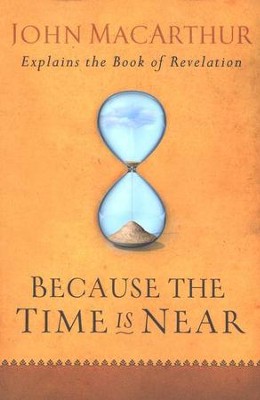
Recommended Resource: A particularly helpful resource that I have utilized while studying the book of Revelation is John MacArthur's book "Because the Time is Near." You can find his book, and many others (at a discount) by utilizing Capital One Shopping and Christianbook.com.