
The Marriage Supper of the Lamb
In Revelation 19:1-10, the tone of heaven changes dramatically. Just one chapter earlier, the world system referred to as Babylon was being judged for its rebellion against God. The earth was filled with mourning, fear, corruption, and collapse. But now heaven erupts in worship. What was mourned on earth becomes celebrated in heaven because God's justice has finally been revealed in full.
This passage gives us one of the clearest glimpses in Scripture of the future joy awaiting the people of God. Revelation 19 takes place after the Tribulation judgments and immediately before the visible return of Jesus Christ to earth. Babylon has fallen. The rebellion of the nations is reaching its climax. Christ is about to return in power and glory. But before John sees the King riding forth in judgment later in the chapter, he hears heaven rejoicing over something particularly beautiful and special, the marriage supper of the Lamb.
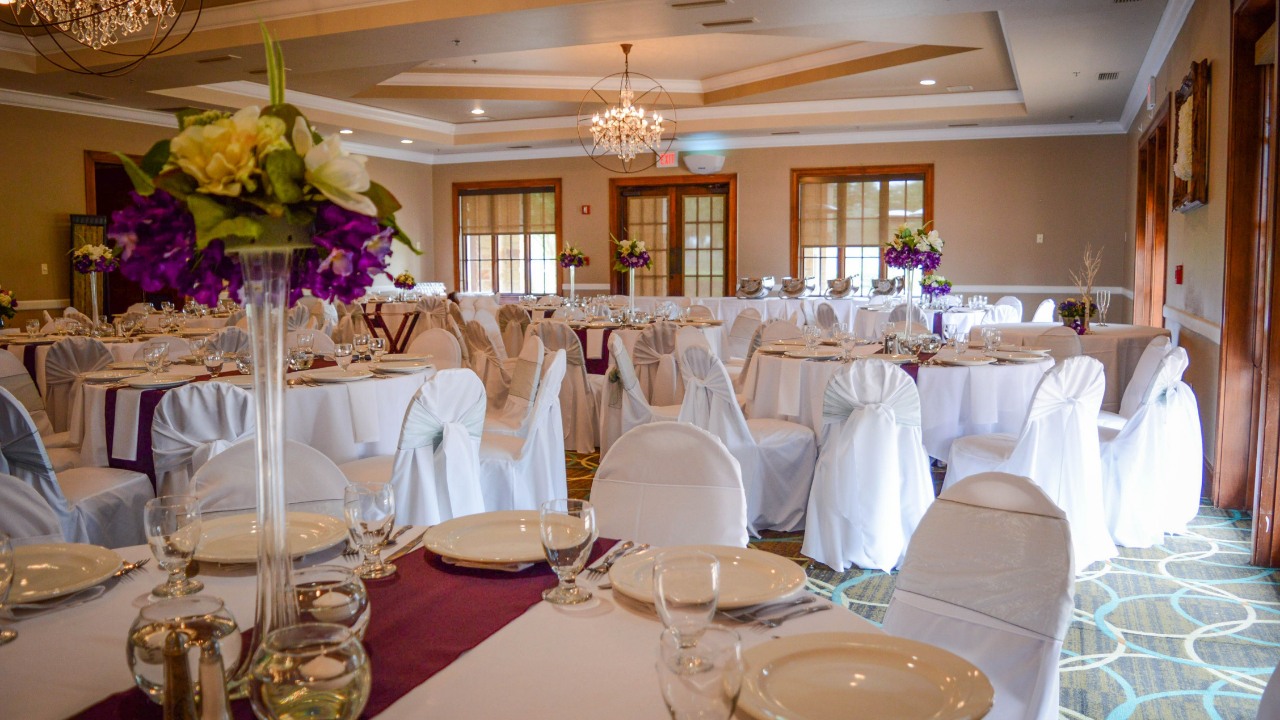
In our culture, we tend to call marriage suppers “wedding receptions.” In recent weeks, I have been to several, and they’ve all been beautiful. The food was great. The music was festive. The conversations were cheerful, but our greatest joy was in who was there.
Just imagine, according to Revelation 19, there is going to be a day when we will experience a festive, joyful meal with Jesus. The story of redemption culminates in a wedding celebration between Jesus and those He has redeemed.
Heaven Celebrates the Justice of God
John begins:
“After this I heard what seemed to be the loud voice of a great multitude in heaven, crying out,
‘Hallelujah!
Salvation and glory and power belong to our God,
for his judgments are true and just;
for he has judged the great prostitute
who corrupted the earth with her immorality,
and has avenged on her the blood of his servants.’”
(Revelation 19:1-2)
The word “Hallelujah” appears four times in this chapter. Interestingly, this is the only chapter in the New Testament where the word appears. It means “Praise the Lord.”
The praise of heaven is centered on God's character. His judgments are “true and just.” God hasn't acted unfairly. He hasn't overreacted. He hasn't ignored evil forever. He has patiently endured human rebellion for generations, but now justice has come.
This theme runs throughout the Old Testament. In Deuteronomy, Moses declared:
“The Rock, his work is perfect, for all his ways are justice.”
(Deuteronomy 32:4)
Likewise, Abraham asked in Genesis 18:25:
“Shall not the Judge of all the earth do what is just?” (Genesis 18:25)
The answer throughout Scripture is always yes.
Sometimes we struggle with the idea of divine judgment because we only partially understand the depth of human sin and the holiness of God. But heaven sees clearly. Heaven rejoices because evil is finally defeated. The persecution of God's people is answered. The corruption of the nations is brought to an end.
Heaven doesn't rejoice because people suffer. Heaven rejoices because God reigns in righteousness.
Many believers today wrestle with discouragement when they look at the world. Corruption seems to be celebrated. Wickedness often appears rewarded. Truth is mocked. Faithfulness often feels like it comes at a cost. There are moments when we may be tempted to wonder if righteousness even matters anymore.
Revelation 19 reminds us that God sees everything. Righteousness does matter. Not one act of evil escapes His notice. Not one tear shed by His people is forgotten.
Psalm 56:8 says:
“You have kept count of my tossings; put my tears in your bottle.” (Psalm 56:8)
The justice of God assures us that evil won't reign forever. Christ will set all things right.
The Smoke of Babylon Rises Forever
John continues:
“Once more they cried out,
‘Hallelujah! The smoke from her goes up forever and ever.’”
(Revelation 19:3)
This imagery reminds us of Isaiah 34:10, where the judgment of Edom is described with smoke rising continually as a sign of permanent devastation. Babylon's destruction is final. The corrupt world system that opposed God throughout history won't recover.
Babylon represents the culmination of rebellious human civilization during the Tribulation period. Political power, economic corruption, false religion, and human pride unite against God. But all of it collapses under the judgment of Christ.
This is an important reminder for us because the spirit of Babylon still influences the world today. The world constantly tempts us to build our identity around wealth, status, pleasure, power, or self-glory. It teaches people to live as though God doesn't exist.
But Babylon always falls.
Psalm 1 contrasts the way of the righteous with the way of the wicked. One is deeply rooted and fruitful. The other is like chaff blown away by the wind.
The kingdoms of this world are temporary. Christ's kingdom is eternal.
That truth should reshape our priorities. Don't build your life around things that won't last. Careers change. Economies collapse. Cultural trends fade. Human applause disappears quickly.
But faithfulness to Christ endures forever.
Jesus said in Matthew 6:19-20:
“Do not lay up for yourselves treasures on earth... but lay up for yourselves treasures in heaven.” (Matthew 6:19-20)
Revelation 19 calls us to live with eternity in view.
The Worship of Heaven
John then writes:
“And the twenty-four elders and the four living creatures fell down and worshiped God who was seated on the throne, saying, ‘Amen. Hallelujah!’” (Revelation 19:4)
I love the privilege the Lord has blessed us with to start our week worshipping Him together. I know there are all sorts of things taking place in our lives that can weigh us down or attempt to steal our joy, but when I get in my car on Sunday morning and begin my drive, I’m honestly grateful that my day begins with seeing my brothers and sisters in Christ, and worshiping Jesus together.
Throughout Revelation, worship continually surrounds the throne of God. The elders and living creatures represent heavenly worship and the acknowledgment of God's supreme authority.
Then a voice comes from the throne:
“Praise our God,
all you his servants,
you who fear him,
small and great.”
(Revelation 19:5)
Everyone who belongs to God is invited into this praise. The ground is level before the throne. The famous and the unknown. The wealthy and the poor. The pastor and the new believer. The public servant and the hidden saint. All who fear the Lord belong in this chorus of worship.
This fulfills countless Old Testament promises that the nations would one day praise the Lord together. Psalm 150:6 declares:
“Let everything that has breath praise the Lord!” (Psalm 150:6)
One of the beautiful realities of heaven is that worship will no longer feel distracted or divided. Our hearts will finally be fully fixed on Christ. Sin won't cloud our minds. Fear won't weaken our joy. Fatigue won't hinder our praise.
Sometimes worship feels difficult now because we're still battling sin, grief, disappointment, and weakness. But one day worship will flow freely from perfectly redeemed hearts.
Even now, though, worship changes us. When we intentionally praise Christ in the middle of hardship, our perspective begins to shift. We remember who reigns. We remember that our future is secure.
The Marriage Supper of the Lamb
The scene in this first part of Revelation 19 now reaches its high point:
“Then I heard what seemed to be the voice of a great multitude, like the roar of many waters and like the sound of mighty peals of thunder, crying out,
‘Hallelujah!
For the Lord our God
the Almighty reigns.
Let us rejoice and exult
and give him the glory,
for the marriage of the Lamb has come,
and his Bride has made herself ready.’”
(Revelation 19:6-7)
Here we see one of Scripture's most beautiful images. Jesus is the Lamb, and the church is His bride.
This theme stretches across the Bible. In Isaiah 54:5, God tells Israel:
“For your Maker is your husband, the Lord of hosts is his name.” (Isaiah 54:5)
In Hosea, God portrays His covenant love as marital faithfulness despite His people's wandering hearts.
In the New Testament, Paul writes in Ephesians 5:25:
“Christ loved the church and gave himself up for her.” (Ephesians 5:25)
The cross wasn’t merely a legal transaction. It was an act of covenant love. Jesus gave Himself to redeem a people for Himself.
This marriage celebration in Revelation 19 takes place in heaven after the rapture of the church and before Christ returns to establish His 1000-year reign on earth.
The bride spoken of in this passage (the church) isn't preparing herself through human effort alone. Verse 8 says:
“it was granted her to clothe herself with fine linen, bright and pure” (Revelation 19:8)
Even the bride's righteousness is ultimately a gift of grace.
This reflects the gospel perfectly.
Isaiah 64:6 reminds us that our own righteousness is insufficient before God. But through faith in Christ, we are clothed in His righteousness.
Paul writes in 2 Corinthians 5:21:
“For our sake he made him to be sin who knew no sin, so that in him we might become the righteousness of God.” (2 Corinthians 5:21)
Jesus doesn't merely forgive His people. He transforms and adorns them.
This should truly encourage every believer who feels painfully aware of personal weakness and failure. If you belong to Christ, your future isn't defined by your worst sins or the life you lived in the past. Your identity isn't rooted in shame. Christ is preparing you for eternal joy in His presence.
One day the church will stand before Him fully redeemed, fully cleansed, fully radiant, clothed in the purest, brightest, finest linen.
Blessed Are Those Invited
John is then told:
“Blessed are those who are invited to the marriage supper of the Lamb.” (Revelation 19:9)
This is one of the great beatitudes of Revelation.
The invitation to this supper is the invitation of the gospel itself.
Isaiah 25:6 prophetically described a future feast prepared by God:
“On this mountain the Lord of hosts will make for all peoples
a feast of rich food.” (Isaiah 25:6)
Jesus also frequently used wedding feast imagery in His parables. In Matthew 22, many rejected the king's invitation, but others were gathered into the celebration.
The gospel invitation still goes out today. Sinners are invited to come to Christ by grace through faith.
No one earns a seat at this table. No one deserves entrance. We come because the Lamb was slain for us.
And what a future awaits God's people!
The Christian life can involve hardship, sacrifice, persecution, and waiting. Sometimes believers grow weary. Sometimes obedience feels lonely. Sometimes grief feels overwhelming.
But Revelation 19 reminds us where history is heading.
Your future as a believer isn't wrath. It isn't abandonment. It isn't defeat.
Your future is a wedding feast with Christ.
Worship Belongs to Jesus Alone
The passage closes with an important correction:
“Then I fell down at his feet to worship him, but he said to me, ‘You must not do that!... Worship God.’” (Revelation 19:10)
Even glorious angels refuse worship because worship belongs to God alone.
The angel then says:
“For the testimony of Jesus is the spirit of prophecy.”
This statement reminds us that all biblical prophecy ultimately points to Christ. Prophecy isn't merely about timelines or events. It's about the glory of Jesus.
The Old Testament anticipated Him.
The Gospels revealed Him.
The Epistles explain Him.
Revelation unveils His victory.
Jesus is the center of the story.
He is the Lamb who was slain.
He is the Bridegroom preparing for His bride.
He is the coming King who will reign on earth.
He is the righteous Judge who defeats evil.
He is the Savior who clothes sinners in righteousness.
And because of Him, believers have hope that cannot be shaken.
So don't lose heart when the world feels unstable. Don't anchor your life to Babylon's fading promises. Don't assume evil has won.
The King is coming.
The Bridegroom is preparing His people.
And one day all heaven will rejoice because the marriage supper of the Lamb has finally come.
© John Stange, 2026